GoDryv
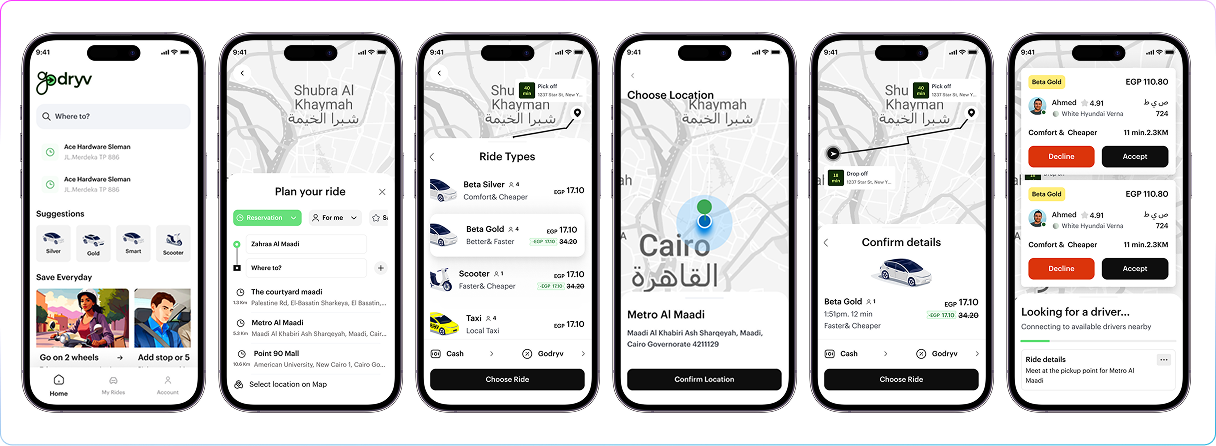
A ride-hailing mobile app that connects riders and drivers with intuitive navigation, creating a faster and more reliable ride experience.
Overview
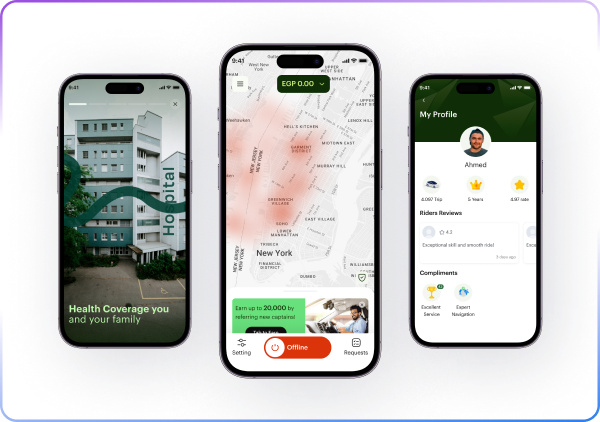
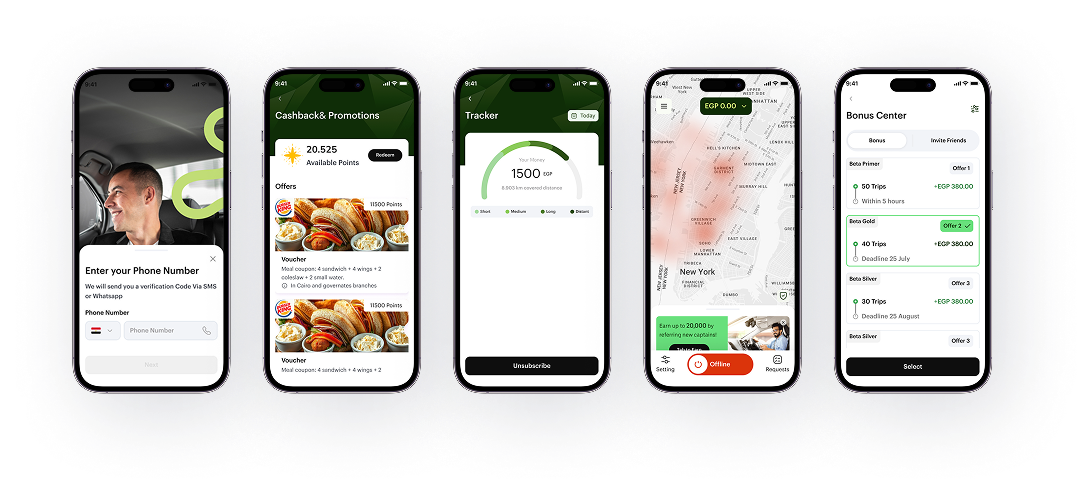
Designed a ride-hailing app that connects riders and drivers through a smooth and reliable experience. It offers easy booking, real-time tracking, and secure payments, while giving drivers tools to track earnings, earn rewards, and grow over time. I designed the MVP with a clean and consistent interface that makes rides simple for users and empowering for drivers.
Over 11 months, I worked on GoDryv, an upcoming Egyptian ride-hailing app designed to make everyday mobility easier for both riders and drivers. Early in the project, I identified several challenges that affected both usability and business goals, including design inconsistencies such as color choices that conflicted with accessibility and UX principles.
Over 11 months, I worked on GoDryv, an upcoming Egyptian ride-hailing app designed to make everyday mobility easier for both riders and drivers. Early in the project, I identified several challenges that affected both usability and business goals, including design inconsistencies such as color choices that conflicted with accessibility and UX principles.
Role & Team
I worked across different stages of the design process, from:
- Understanding users and business needs to shape the final product experience.
- User interviews, business meetings, presentations, and developer handoff.
- UX Process: persona creation, information architecture, user flows, wireframing,
- UI Process: driver mode design, animation, prototyping, and building the design system.
Design Progress

Empathize
Stakeholder Interview
The project started with daily collaboration with stakeholders to understand GoDryv’s goals, users, business priorities, and follow-up needs. Through meetings, I gathered detailed requirements, clarified feature scopes, and uncovered gaps between user
needs and business goals, and guide design decisions from early research through the final MVP.
These meetings resulted in:
needs and business goals, and guide design decisions from early research through the final MVP.
These meetings resulted in:
Who is the audience?
- Riders: People who want a quick, easy, and affordable way to get around.
- Drivers: People looking for flexible work and a simple way to earn money.
What are USPs?
- Package Models: Offering various ride options and pricing plans to suit different needs and budgets.
- Goal Feature: Rewards and bonuses that motivate drivers and keep users engaged.
- Ads Feature: In-app promotions and offers that benefit users without disrupting their trips.
- Some rewards like Health Coverage, an apartment, educational insurance, and a car.
User Interviews
I performed remote user interviews, each lasting 15-30 minutes, guided by a prepared list of questions. Here are some of these questions:
- Can you walk me through how you usually choose which ride-hailing app to use in different situations?
- What parts of your current ride experience feel smooth, and which moments feel frustrating or stressful?
- Have you ever stopped using or avoided an app? What specifically caused that decision?
- Can you describe a recent ride where something went wrong, and how the app or support team handled it?
- How do pricing and payment methods affect your comfort and trust during a ride?
- What safety features make you feel more comfortable while using a ride-hailing app, and which ones do you actually use?
- How do offers, promotions, or discounts influence your choice of app? Have you felt misled?
- If you could change one thing in your preferred ride-hailing app to better fit your needs, what would it be and why?
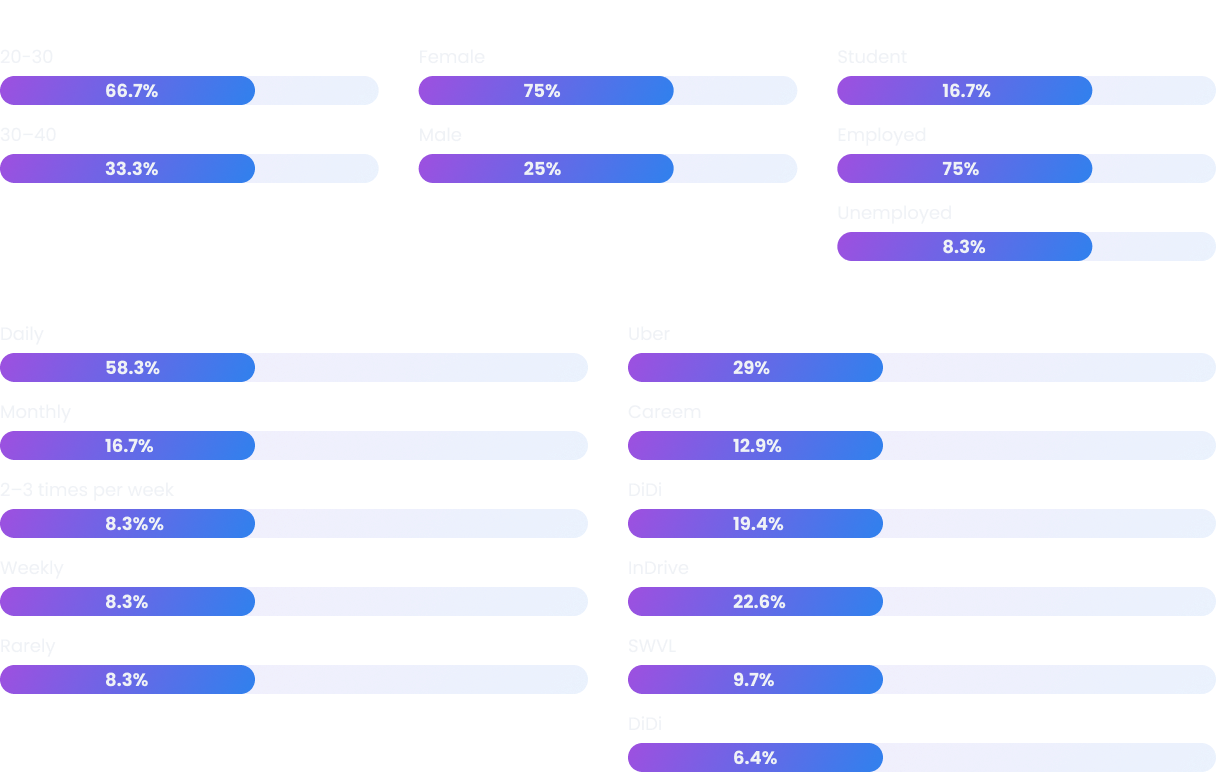
User Survey Insights
Competitive Analysis
The goal of this research was to review competitor ride-hailing apps to understand their strengths, weaknesses, and overall user experience. This helped identify common UX patterns, gaps, and feature opportunities to support better design decisions.
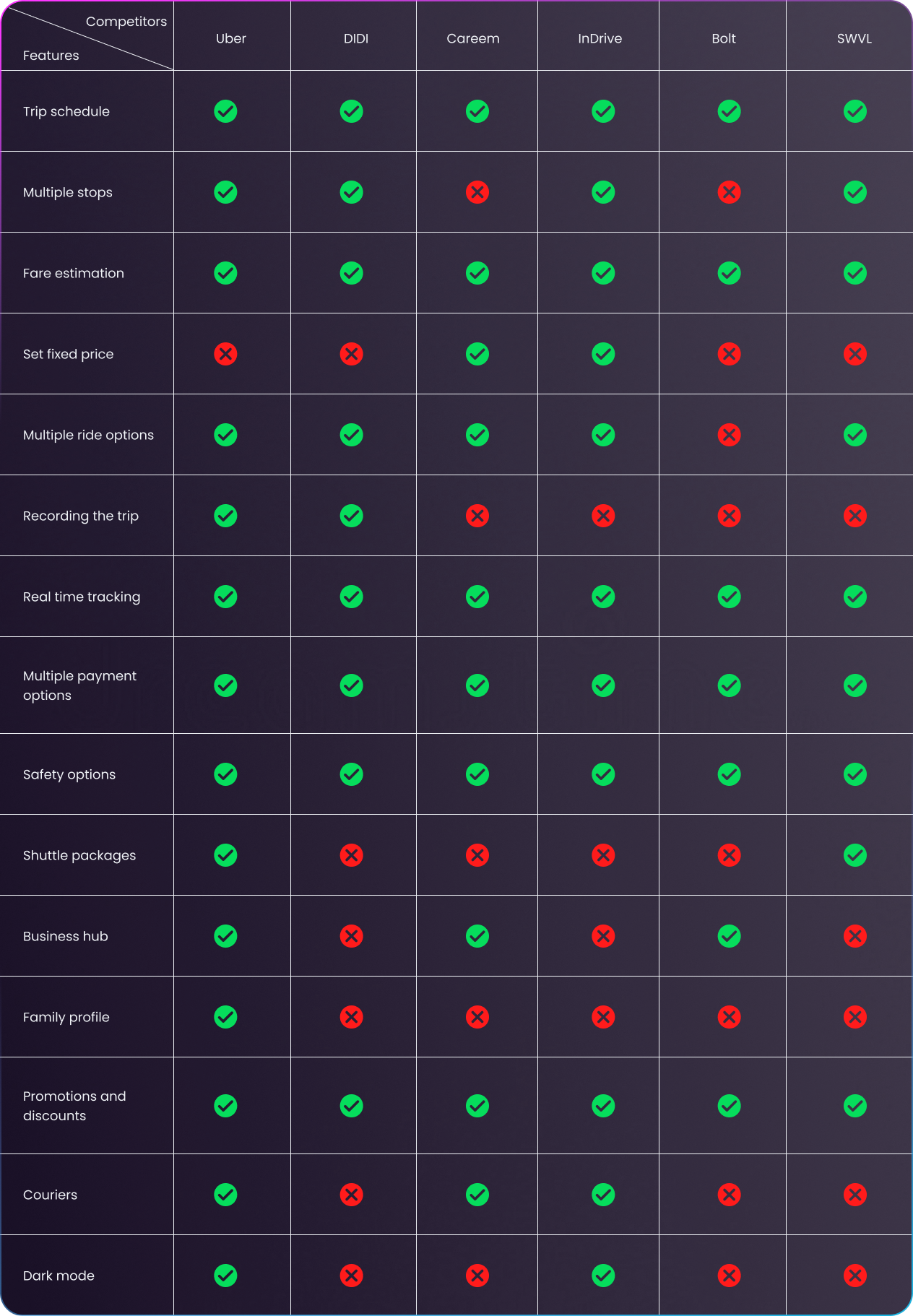
Task Analysis
The goal of this analysis was to compare how users complete key tasks across different ride-hailing apps by reviewing the number of steps required to achieve each task. This helped highlight differences in flow complexity and identify usability gaps to simplify the user experience.
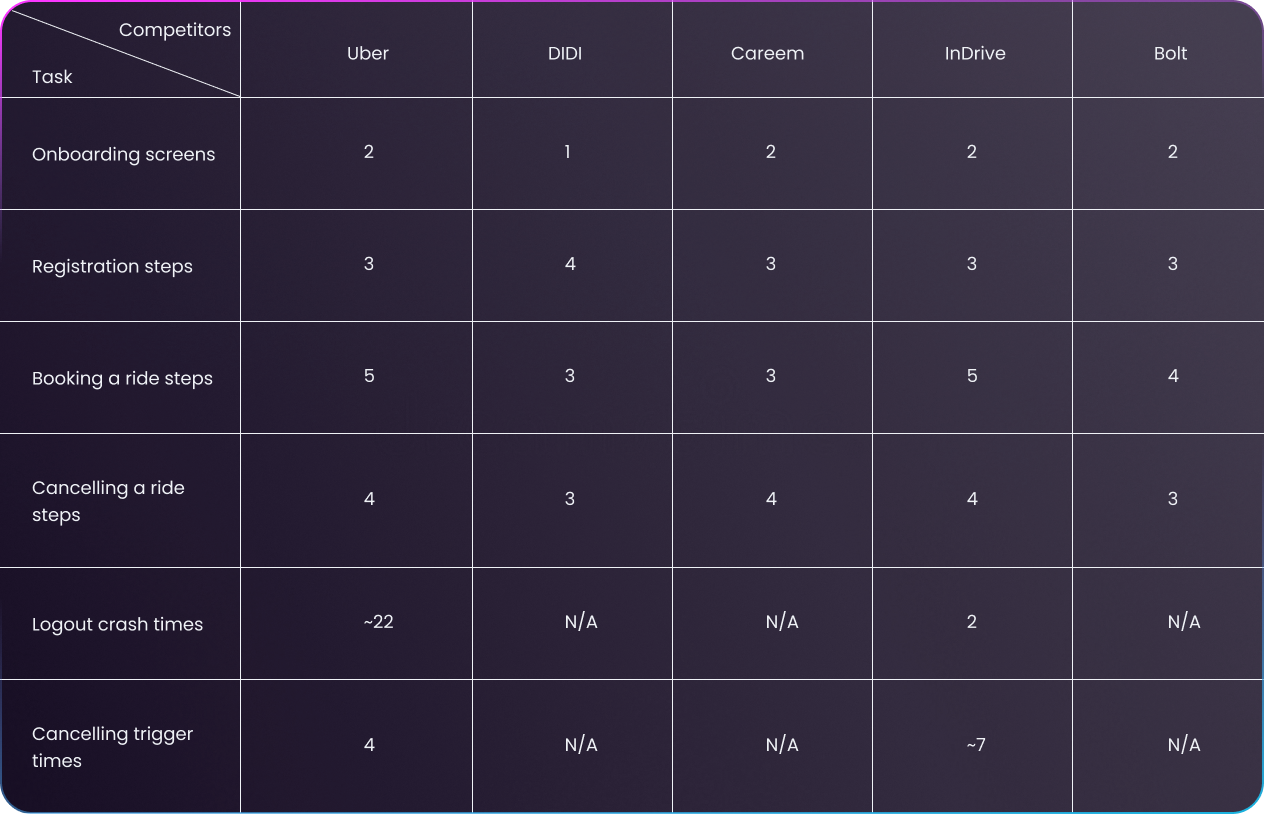
Define
User’s Persona
Problem Statements
- Users don’t fully trust ride-hailing apps during real trips, mainly because of safety concerns, unclear driver behavior, and weak in-ride communication.
- Unclear and changing prices create frustration and reduce confidence, making users hesitant to confirm or continue using the app.
- Driver cancellations after accepting a ride waste users’ time, break expectations, and negatively affect reliability and retention.
- Lack of transparency around routes and ride status causes stress, making users feel unsure if they are being treated fairly.
Ideate
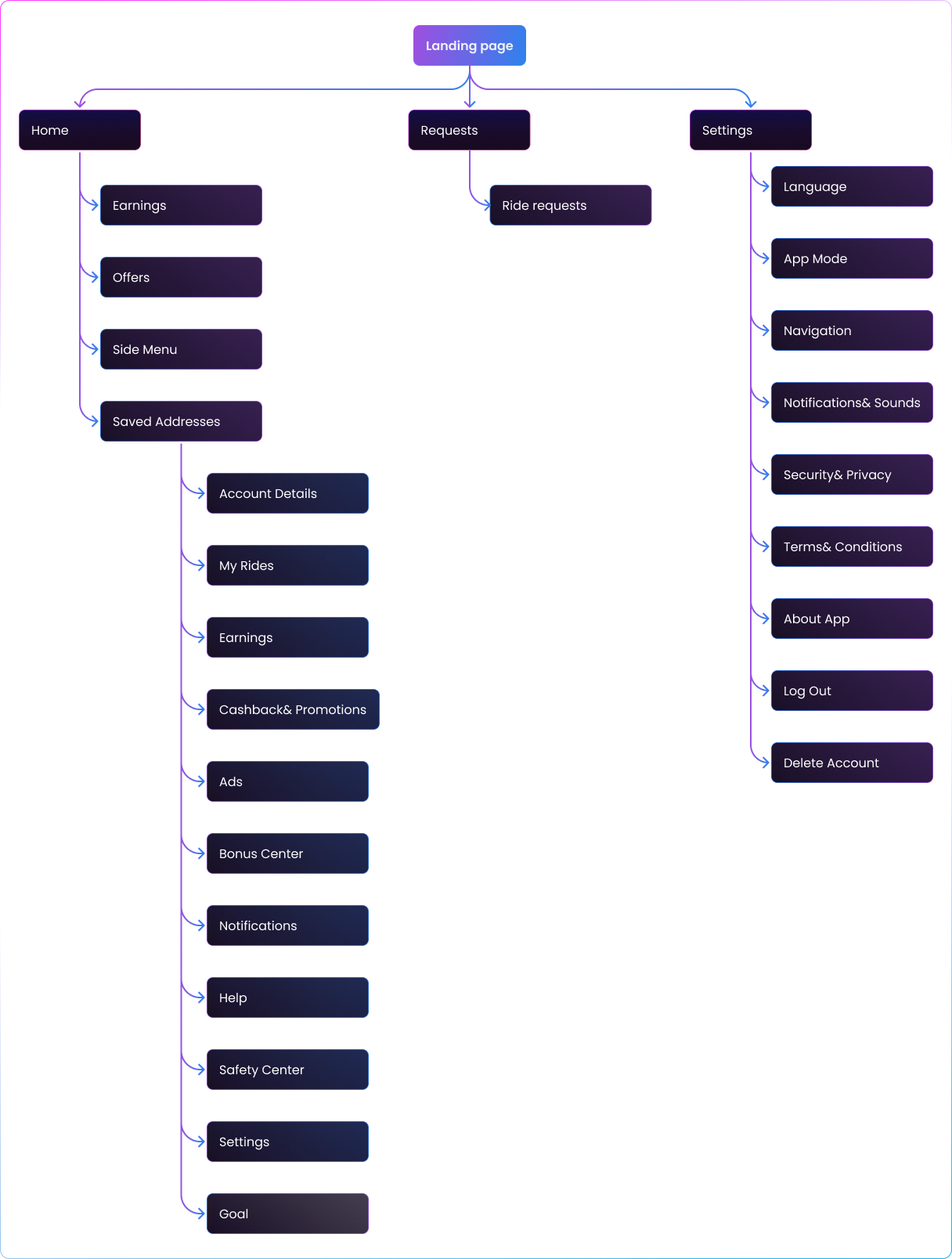
Information Architecture for Driver app
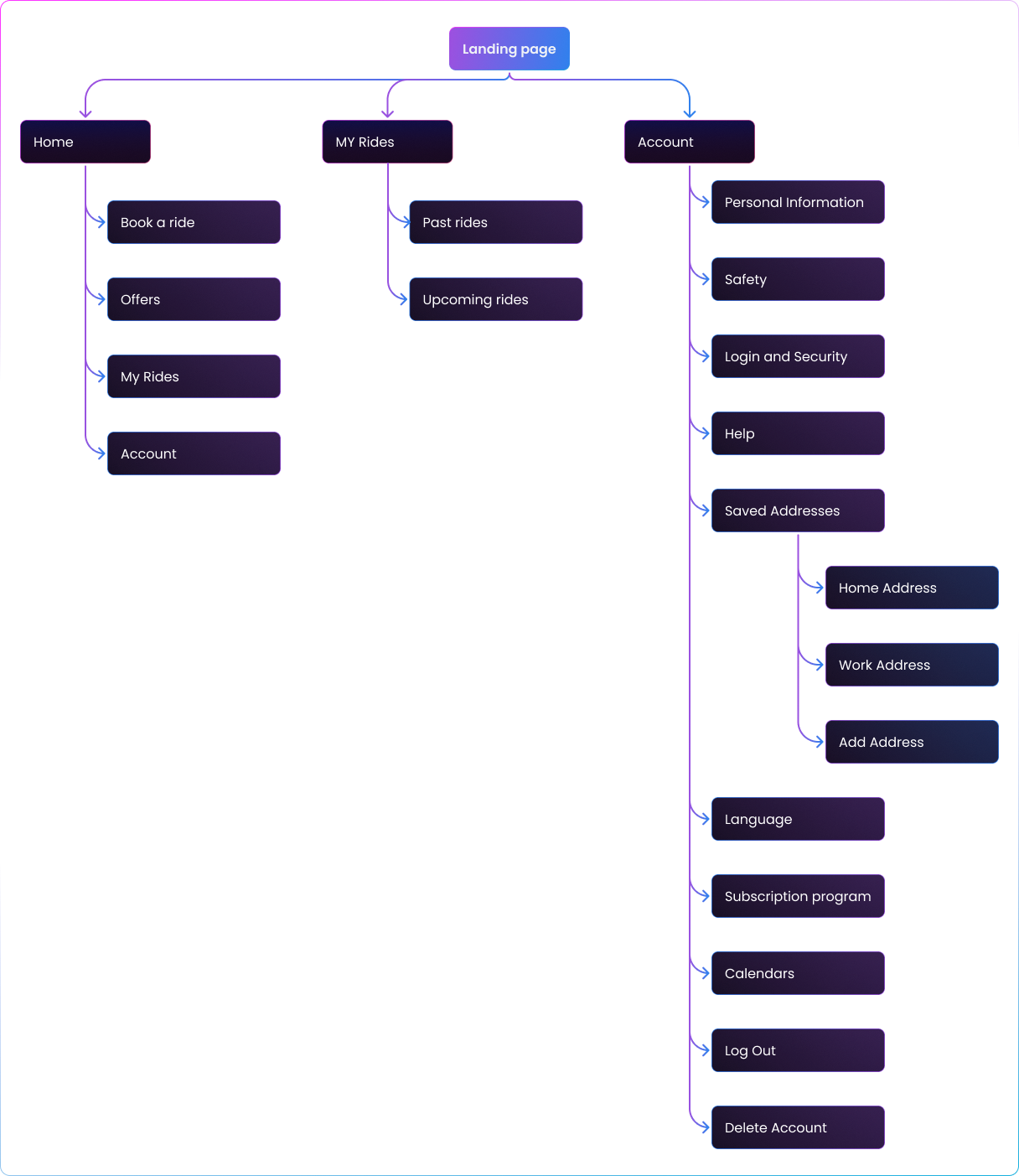
Information Architecture for the Rider app
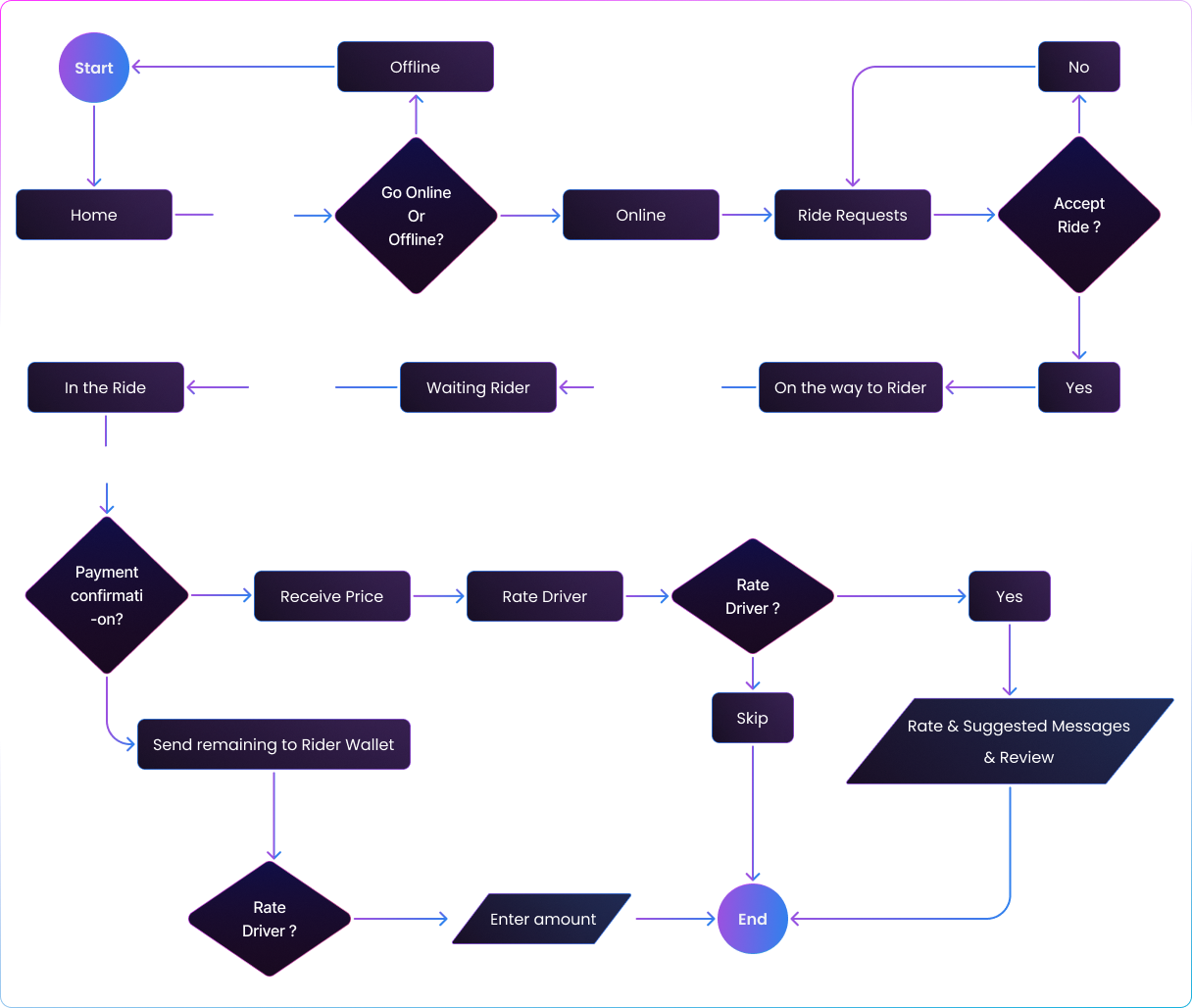
Driver Task Flow “Accept a Ride”
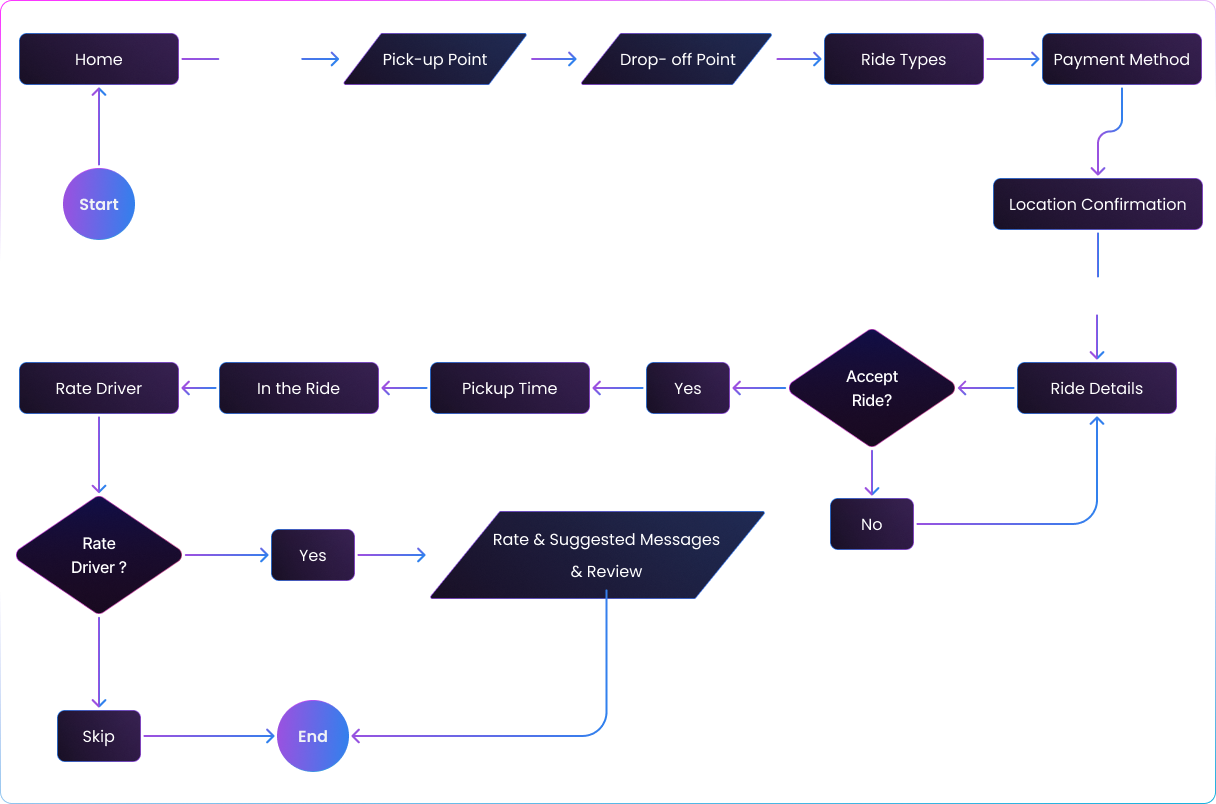
Rider Task Flow “Make a Ride”
Design
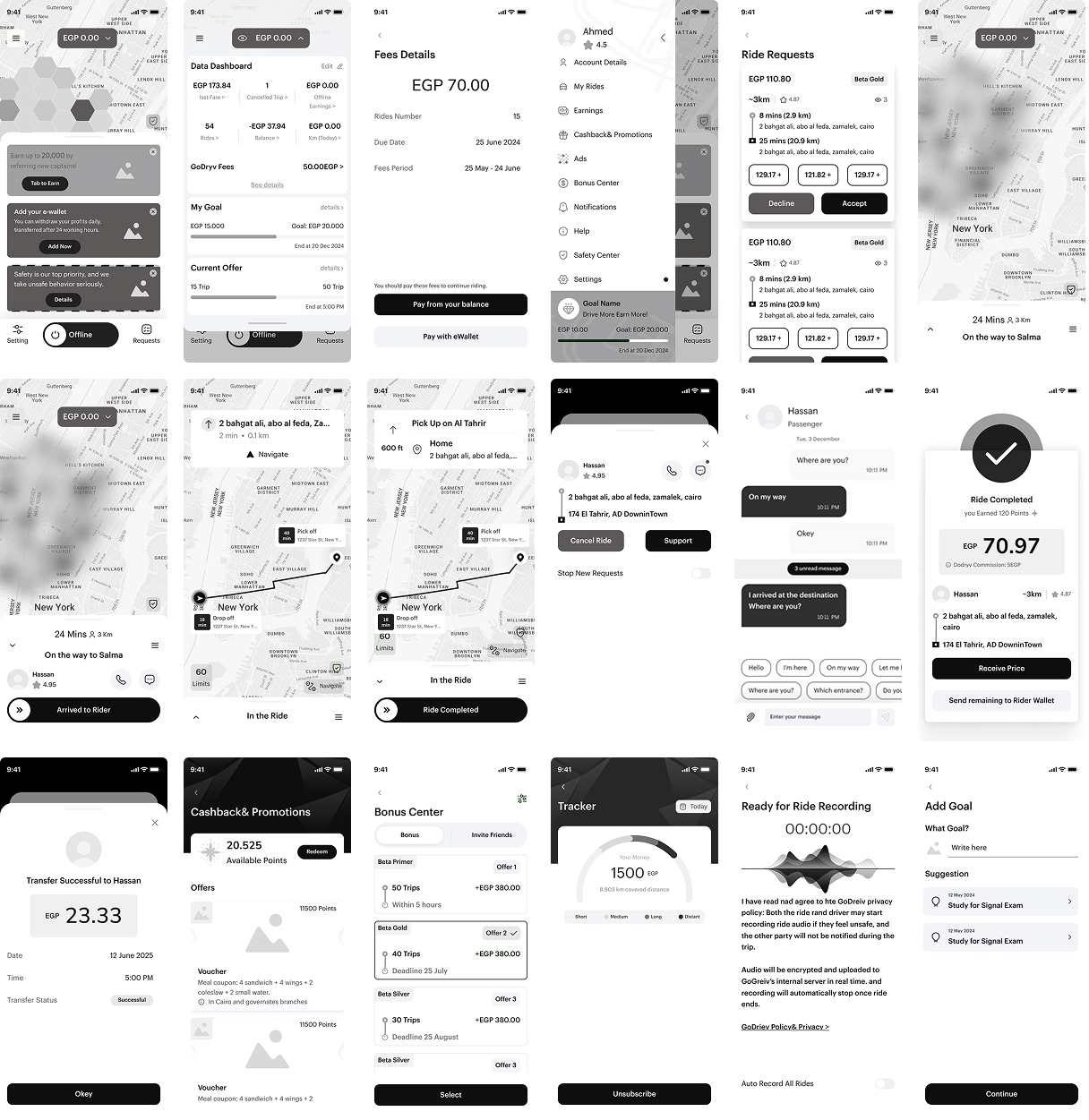
Driver Wireframe
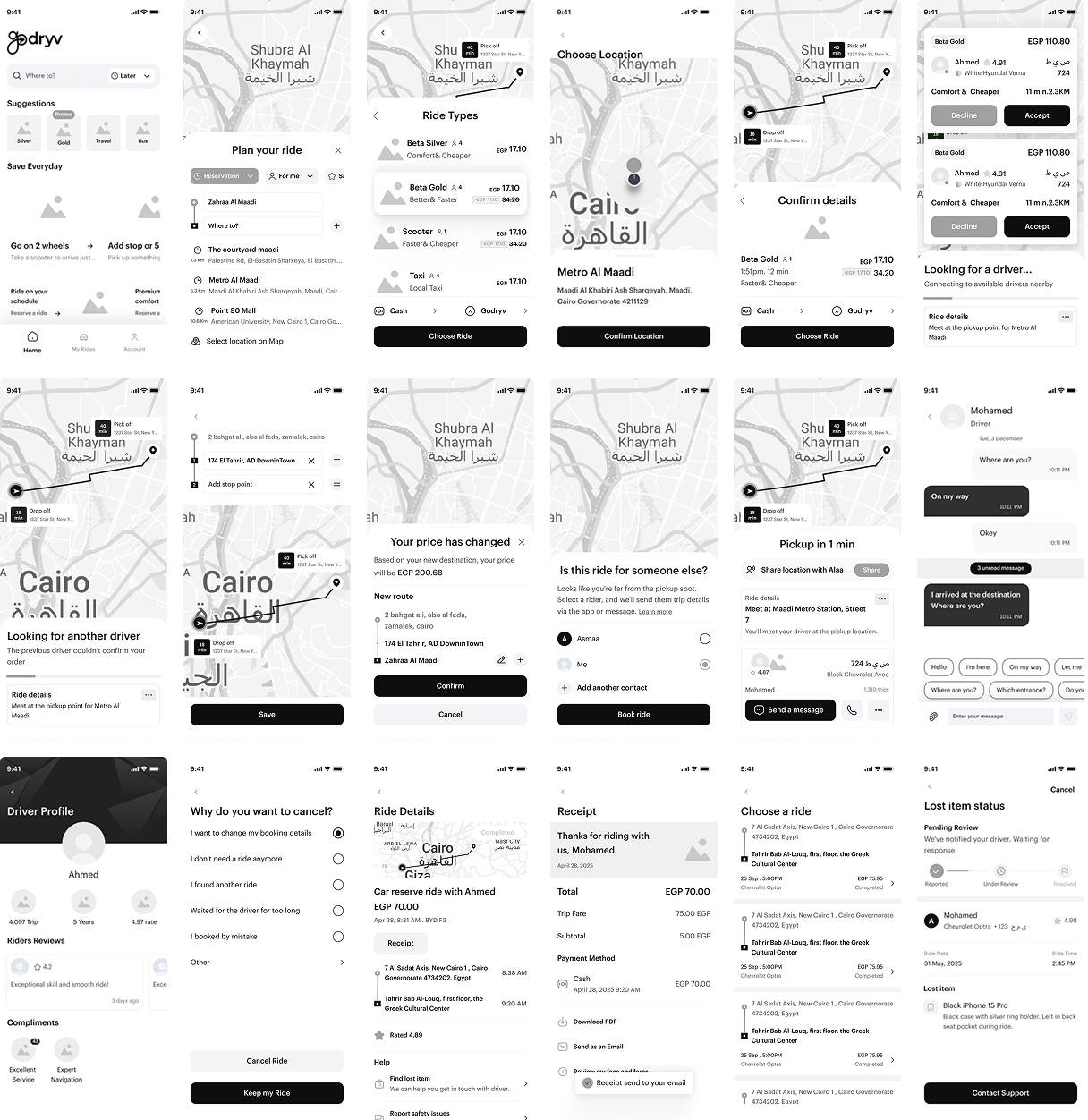
Rider Wireframe
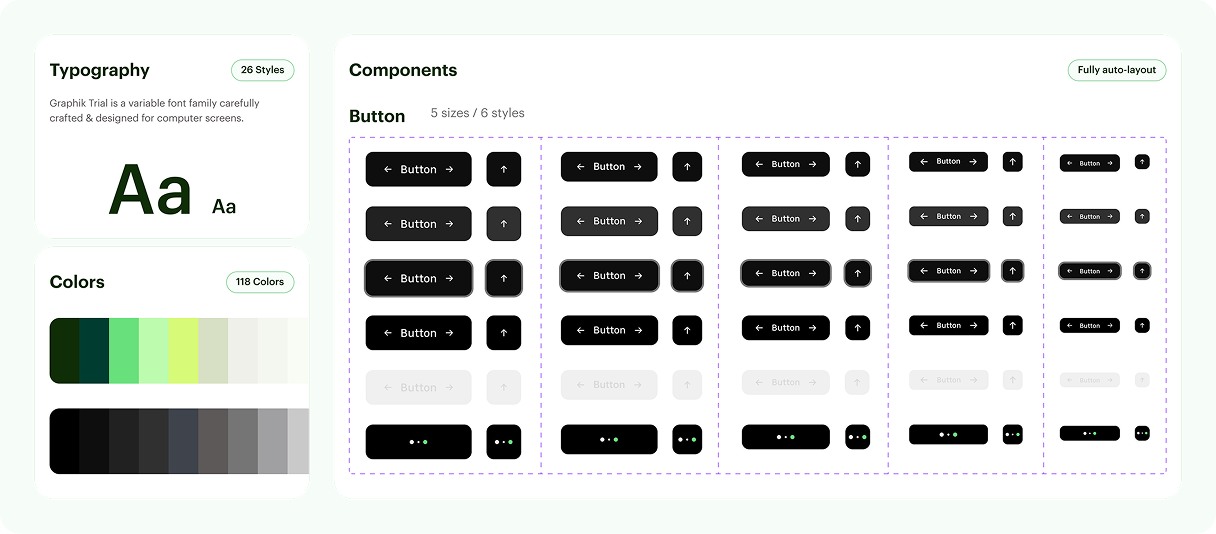
Style Guide
Created a dedicated design system to unify Rider and Driver apps and make the design process 30% faster. See the Design System Case Study
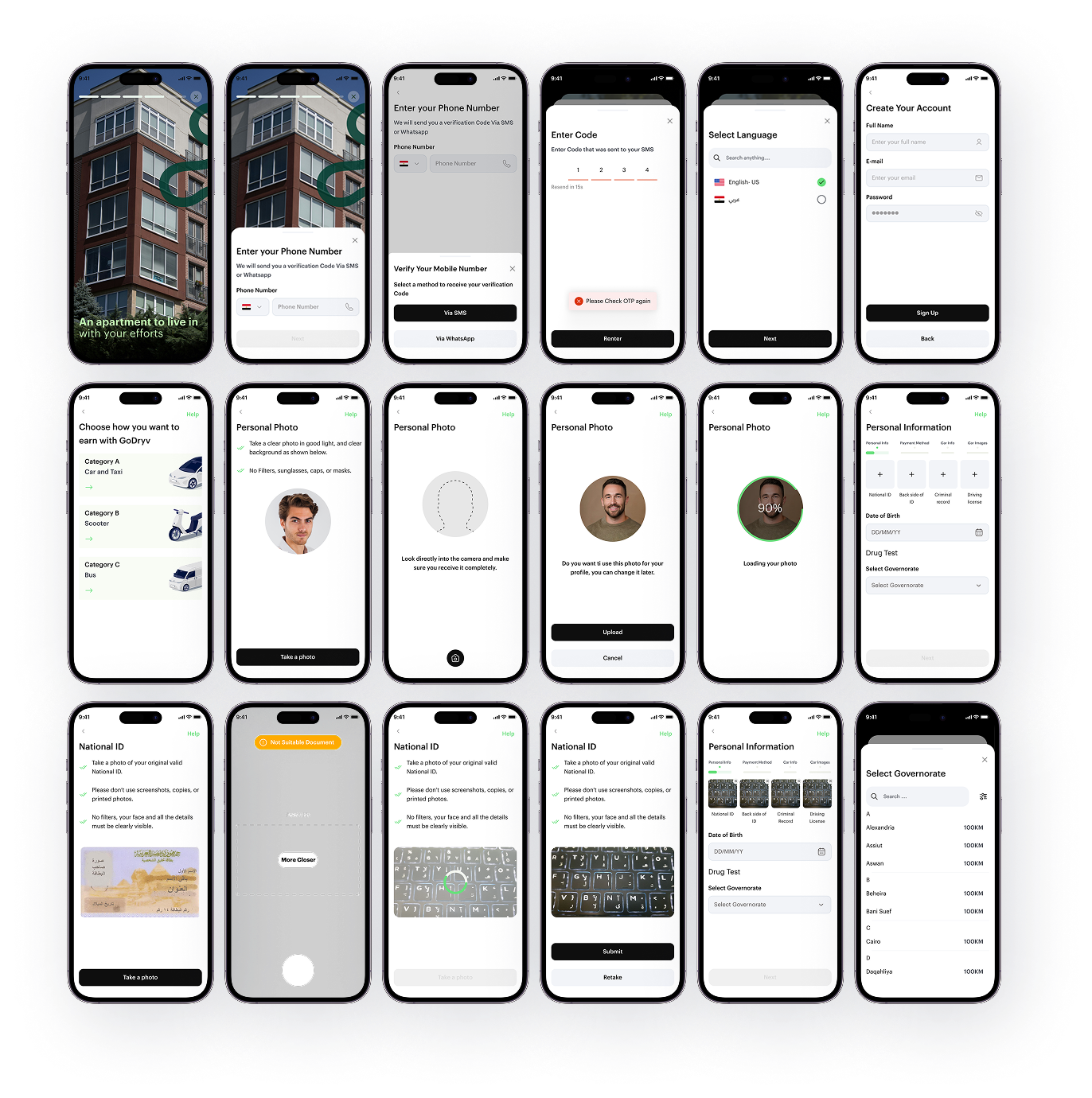
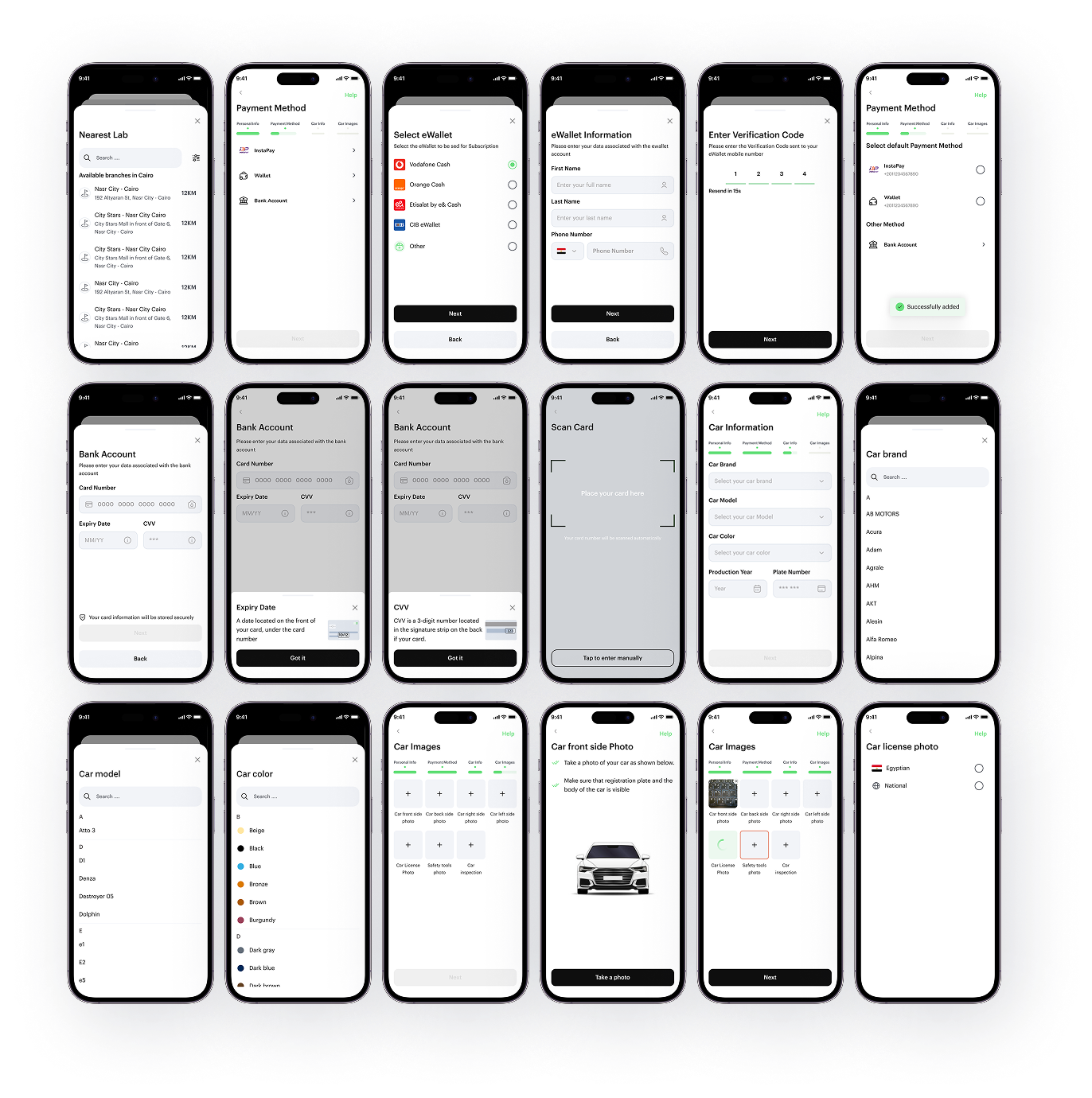
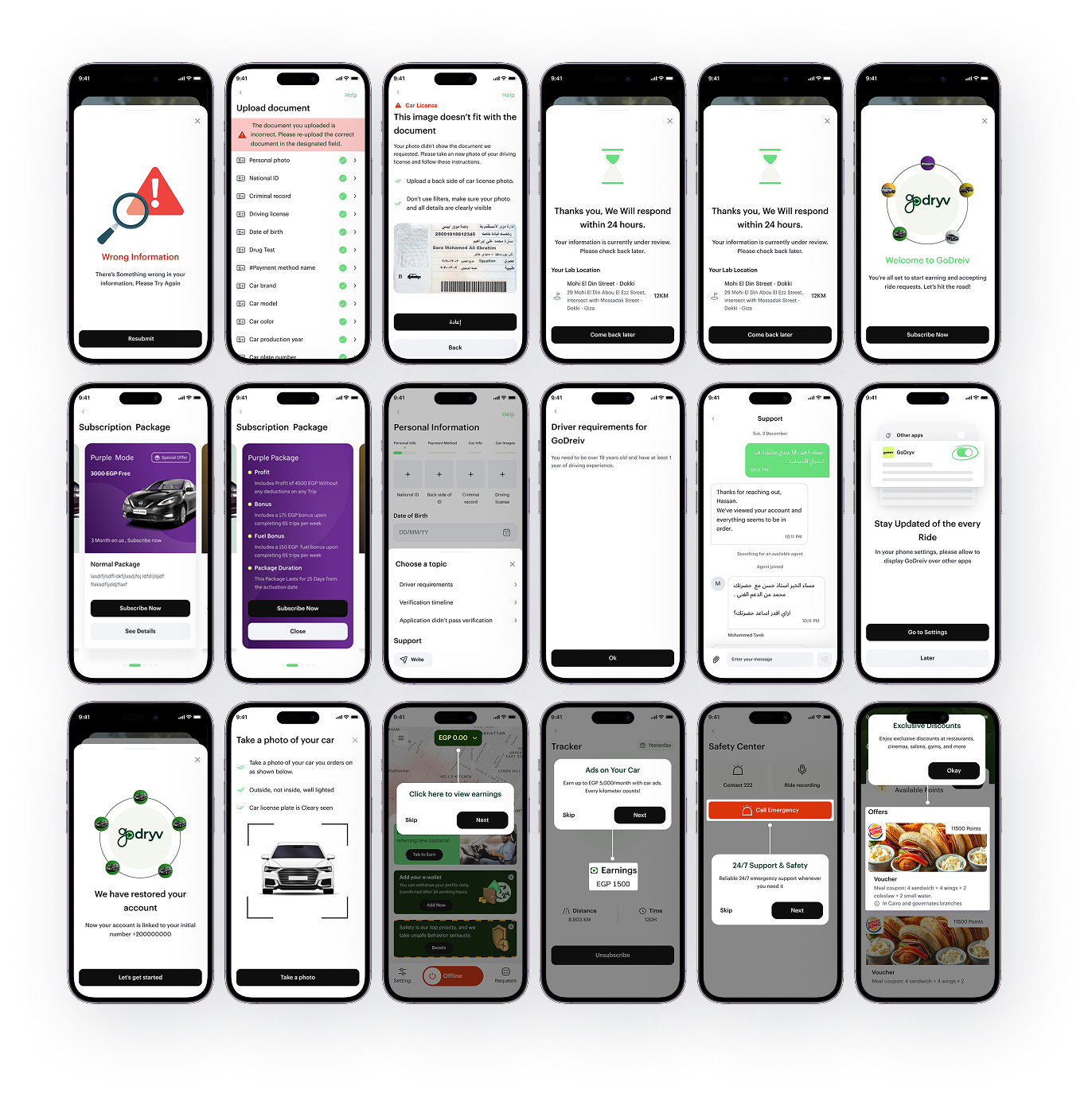
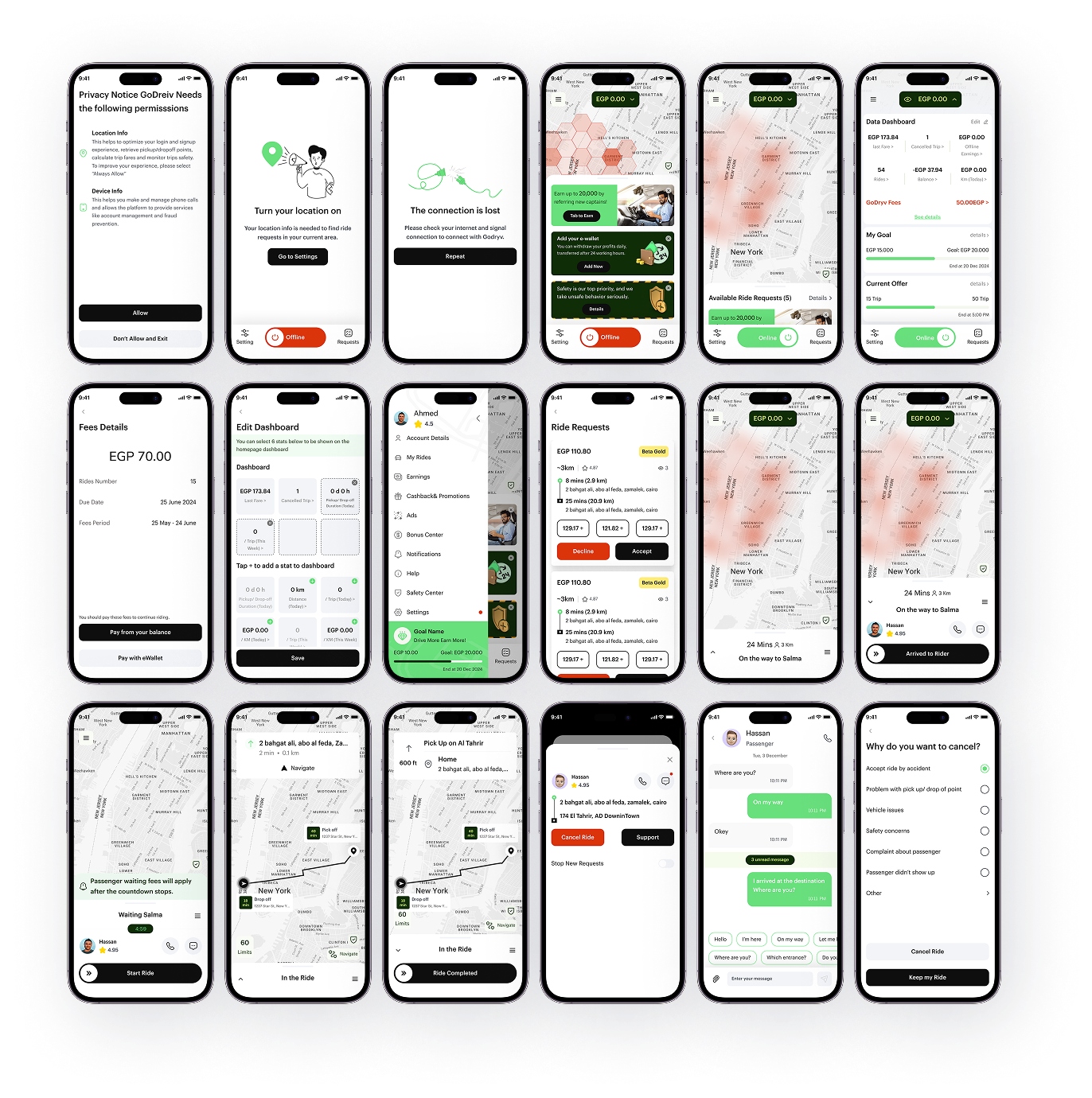
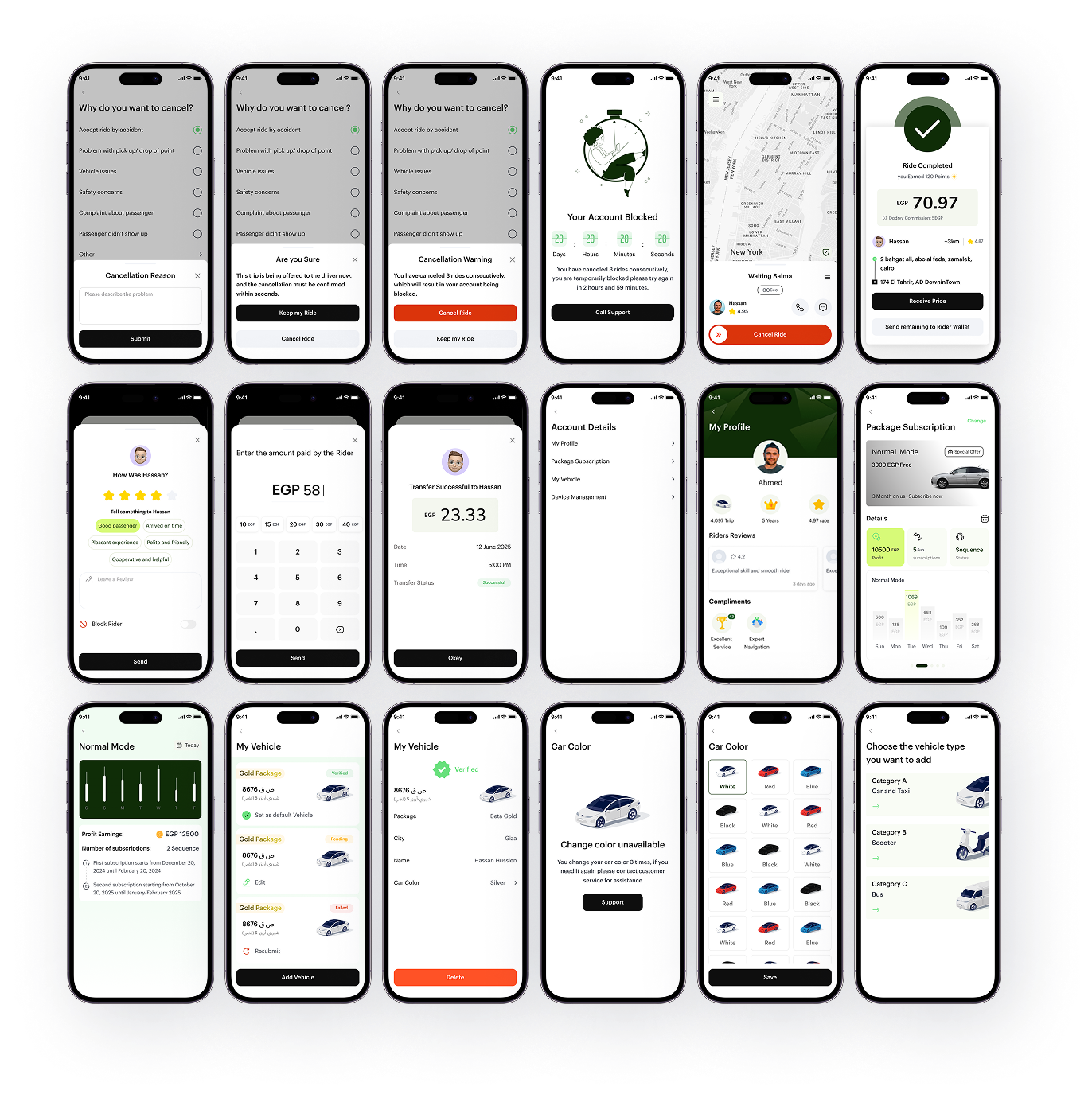
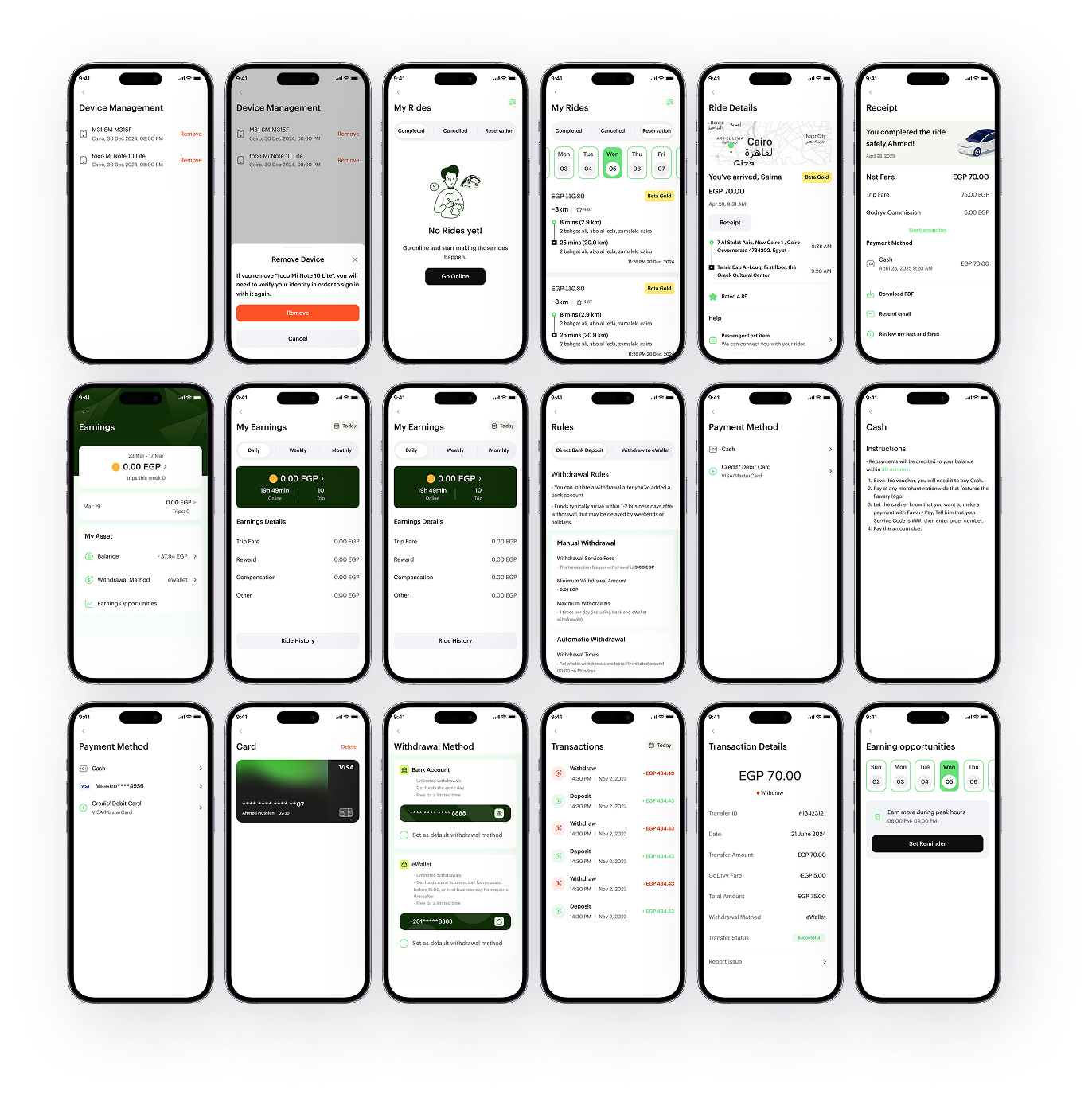
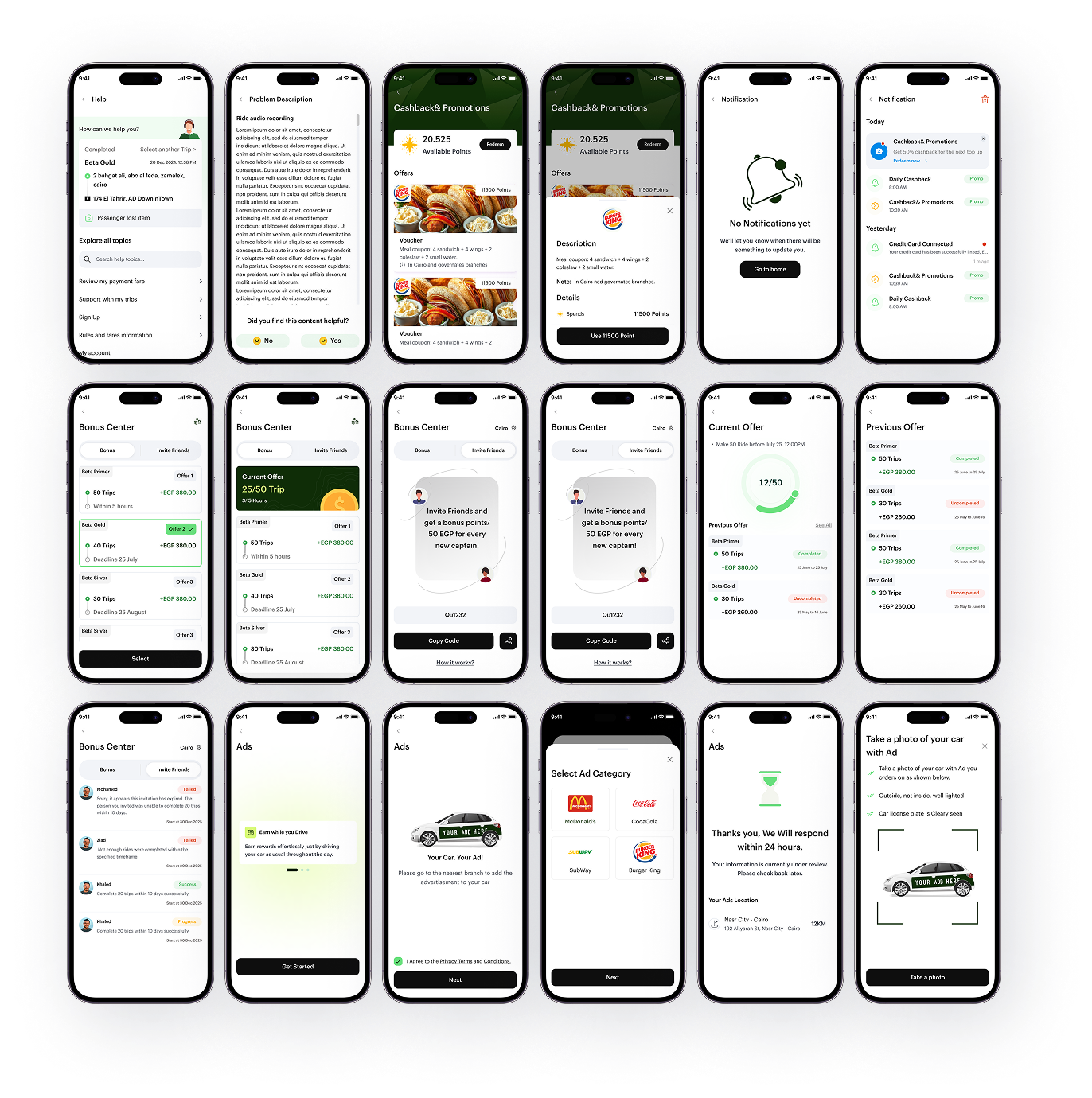
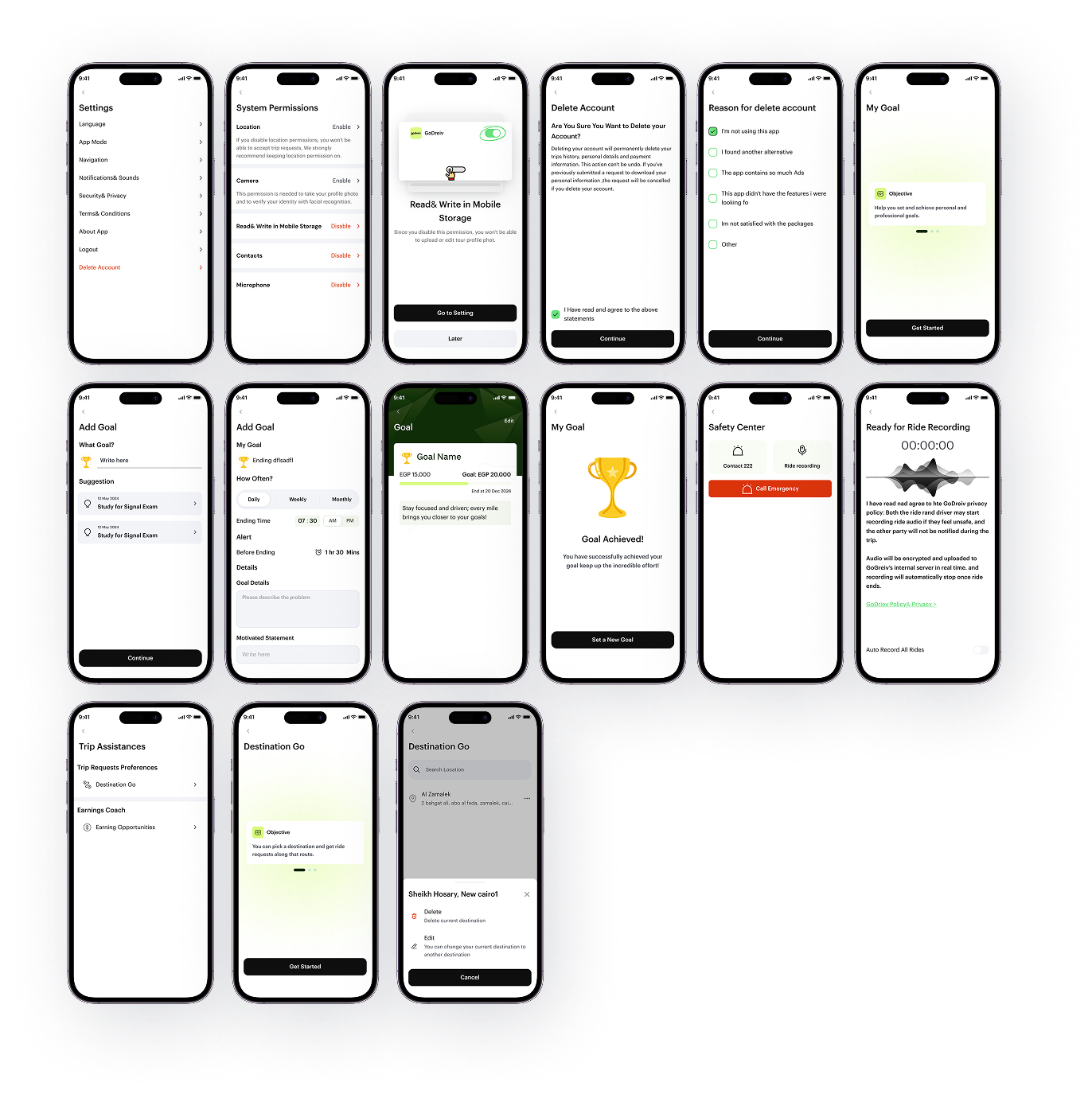
Driver UI Design
Rider UI Design